




















Customer Loyalty Program Guide: Points, Tiers and Repeat Visits
How to design a points system and tiers that bring customers back without hurting your margin, with ideas for restaurants, salons and shops and the metrics that matter.
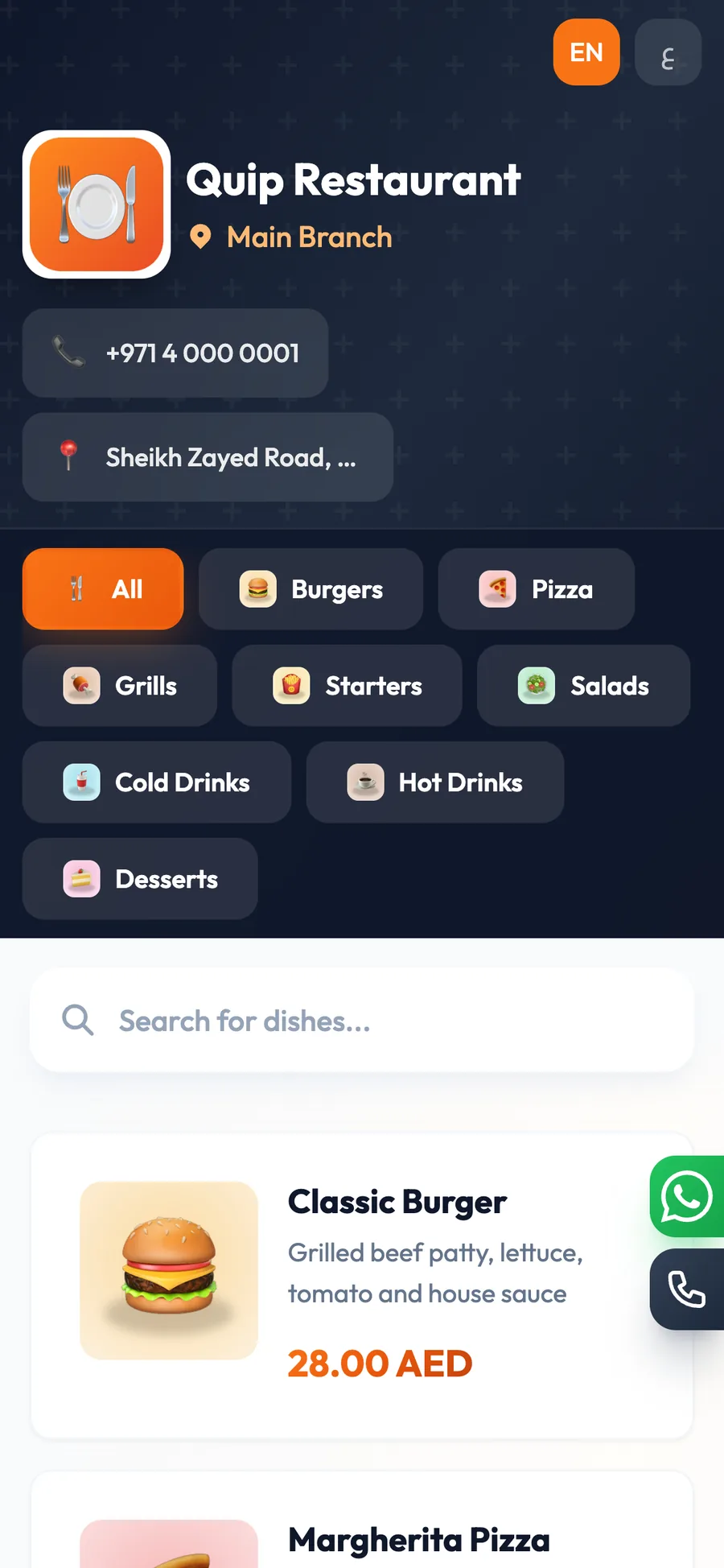
A customer loyalty program rewards people for coming back, usually with points on every purchase that can be redeemed as a discount and tiers that unlock more for your best customers. Run inside your POS, a points system needs no plastic cards: the cashier finds the customer by phone number, and points are earned and redeemed at checkout.
For most small businesses, the customers who already know you are the cheapest source of growth. A café regular, a salon client who books every month or a family that orders from the same restaurant every Friday is worth far more over a year than a single visit suggests. A loyalty program gives them a reason to keep choosing you and gives you the data to know who they are.
This guide covers the main types of loyalty programs, how to design points and rewards that protect your margin, how to use tiers, ideas for restaurants, salons, shops and service businesses, a launch plan and the reports to watch.
- Decide the reward value first: every point is a future discount, so treat it as a cost.
- Keep the rules simple enough for a cashier to explain in one sentence.
- Use tiers to recognise your best customers, not to confuse everyone else.
- Link points to the customer record in your POS, so history, points and messages live in one place.
- Measure repeat visits and spend, not just the number of members.
What is a customer loyalty program and does it work for small businesses?
A loyalty program is a set of rules that turns repeat purchases into rewards. The customer gets something back for returning; you get more visits, a larger share of their spending and a clear list of your best customers.
It works for small businesses when three things are true: customers can buy from you often, the reward is easy to understand, and the program costs less than the extra sales it brings. A neighbourhood bakery, a barbershop or a laundry fits well. A business that sells something once every few years, such as a wedding dress shop, usually gains more from referrals than from points.
What types of loyalty programs are there?
| Type | How it works | Best for | Watch out for |
|---|---|---|---|
| Points | Earn points per amount spent, redeem as a discount | Most shops, cafés and restaurants | Earn and redeem values that are too generous |
| Tiers | Higher levels unlock better rewards | Businesses with a clear group of top customers | Too many levels, unclear benefits |
| Visit-based | A reward after a set number of visits | Cafés, car washes, barbers | Small and large tickets rewarded equally |
| Member discount | Members always get a fixed discount | Simple retail | Discounting sales you would have made anyway |
| Paid membership | Customers pay a fee for benefits | Frequent, high-value customers | Benefits must clearly beat the fee |
Points are the most flexible option because they reward spending rather than visits, and tiers can sit on top of them. That combination suits most businesses.
How to design a points system that pays for itself
Start with the reward value
Every point you give is a future discount, so decide how much of each sale you are willing to return. Example: earn 1 point per AED 1 spent and redeem 200 points for AED 10 off. That returns 5% of spending to the customer.
Check it against your margin
A 5% reward is comfortable for a café with strong drink margins. It may be too much for a grocery shop on thin margins, where 1 to 2% is more realistic. Look at your product and margin reports, or your recipe costs if you run a kitchen, before you choose the rate.
Make the first reward reachable
If the first reward takes a year, nobody cares. Aim for a regular to reach it within a few weeks. A café regular spending AED 20 a day, five days a week, earns 100 points a week under the rule above and redeems AED 10 every two weeks. That is a reward people notice and talk about.
Keep the rules simple
- One earn rate for everything, unless you have a strong reason to vary it.
- A clear redemption threshold, shown at the counter and on your menu or price board.
- A written decision on whether discounted sales also earn points.
- A clear statement of how long points stay valid; check your local consumer rules.
How to use loyalty tiers for your best customers
Tiers recognise the customers who matter most. A simple structure based on spending over the past year works for most businesses:
- Member: everyone who joins earns points on every purchase.
- Silver: regular customers get a small extra, such as priority booking or a birthday treat.
- Gold: your top customers get the best rewards and personal attention.
Three levels are usually enough. Make the benefits visible and the thresholds reachable, and review who sits in each tier every few months. The goal is for a Silver customer to see Gold as within reach.
Loyalty program ideas for restaurants, salons and shops
Restaurants and cafés
- Points on every order, including takeaway and deliveries through your own channel.
- A promo code for a quiet weekday afternoon, sent to regulars on WhatsApp.
- A tier benefit such as a free dessert for Gold members in their birthday month.
For counter-specific ideas, see our guide to the café and coffee shop POS.
Salons, barbershops and beauty centres
- Points on both services and retail products, so clients buy their shampoo from you rather than the supermarket.
- Tiers based on yearly spend, with priority booking for top clients.
- A friendly message when it has been a while since the last visit.
Retail shops
- Points per purchase in perfume, fashion or electronics, where customers return for gifts and new seasons.
- Member-only promo codes for a new collection or the start of a season.
- Tiers that reward customers who buy across several categories.
Laundries and repair centres
- Points on every order, so families and offices stay with you instead of trying the shop next door.
- A redemption threshold equal to a free bag or a free service, which is easy to explain.
How to launch a loyalty program in 7 steps
- Set one goal: more visits, higher spend or winning back customers who stopped coming.
- Write the rules on one page: earn rate, reward value, tiers and validity.
- Set it up in your POS so points are earned and redeemed at checkout, not on paper cards.
- Train the team with a one-line script: "Can I take your mobile number for your points?"
- Ask for consent before sending marketing messages, and respect customers who say no.
- Promote it at the counter, on your menu and in your WhatsApp messages.
- Review after 30 and 90 days, and adjust the rules before they become habits.
Mistakes to avoid
- Rewards so small that nobody notices them.
- Rules so complicated that staff stop mentioning the program.
- Points that are not linked to a customer record, which wastes the data.
- Changing the rules often, which damages trust.
Which loyalty reports and metrics should you track?
The number of members is not a result. These numbers are:
- Repeat rate: the share of customers who bought again within 30 or 60 days.
- Visit frequency: how often members come compared with other customers.
- Average spend: whether members spend more per visit.
- Points earned versus redeemed: if almost nobody redeems, the reward is too far away; if everyone redeems at once, it may be too generous.
- Cost of rewards: the total value of discounts redeemed compared with sales from members.
- Top customers: who they are, what they buy and when they last visited.
Read these alongside your sales and discount reports. Our guide to POS reports and KPIs explains how they fit together.
How Quip POS runs points, tiers and customer data
Quip POS includes a loyalty program built into checkout: customers earn points on every purchase and redeem them as discounts, with tiers and loyalty reports. Because it sits inside the POS, points connect to the rest of the customer record.
- A customer database with purchase history, addresses and balances.
- Points on every purchase, redeemable as discounts at checkout.
- Tiers for your most valuable customers, and loyalty reports to follow the program.
- Promo codes, percentage or fixed, for campaigns alongside points.
- WhatsApp receipts and messages to customers from your own number through QuipWhats.
- Customer and discount reports, so you can see what the program costs and what it brings.
- Permissions and a per-branch discount limit, so manual discounts stay under control.
The same tools serve restaurants, retail shops, salons and beauty centres, laundries and repair centres. See how loyalty fits with the rest of the system on the features page, and read about WhatsApp receipts and customer messages to stay in touch with members.
Start rewarding your regulars
Write your rules on one page this week: earn rate, reward value and two or three tiers. Then test them on a real checkout before you announce anything to customers. You can try points, tiers and customer profiles in the live demo, or start a 14-day free trial with no card and launch the program with your own customers.
Frequently asked questions
How does a points-based loyalty program work?
How many loyalty points should customers earn per purchase?
What is the difference between loyalty points and tiers?
Do I need a separate loyalty app for my business?
How do I know if my loyalty program is working?
What loyalty rewards work well for a salon?
Talk to the Quip POS team
Tell us about your business and we will show you the right setup, help you add your products and connect your printers.
Related articles
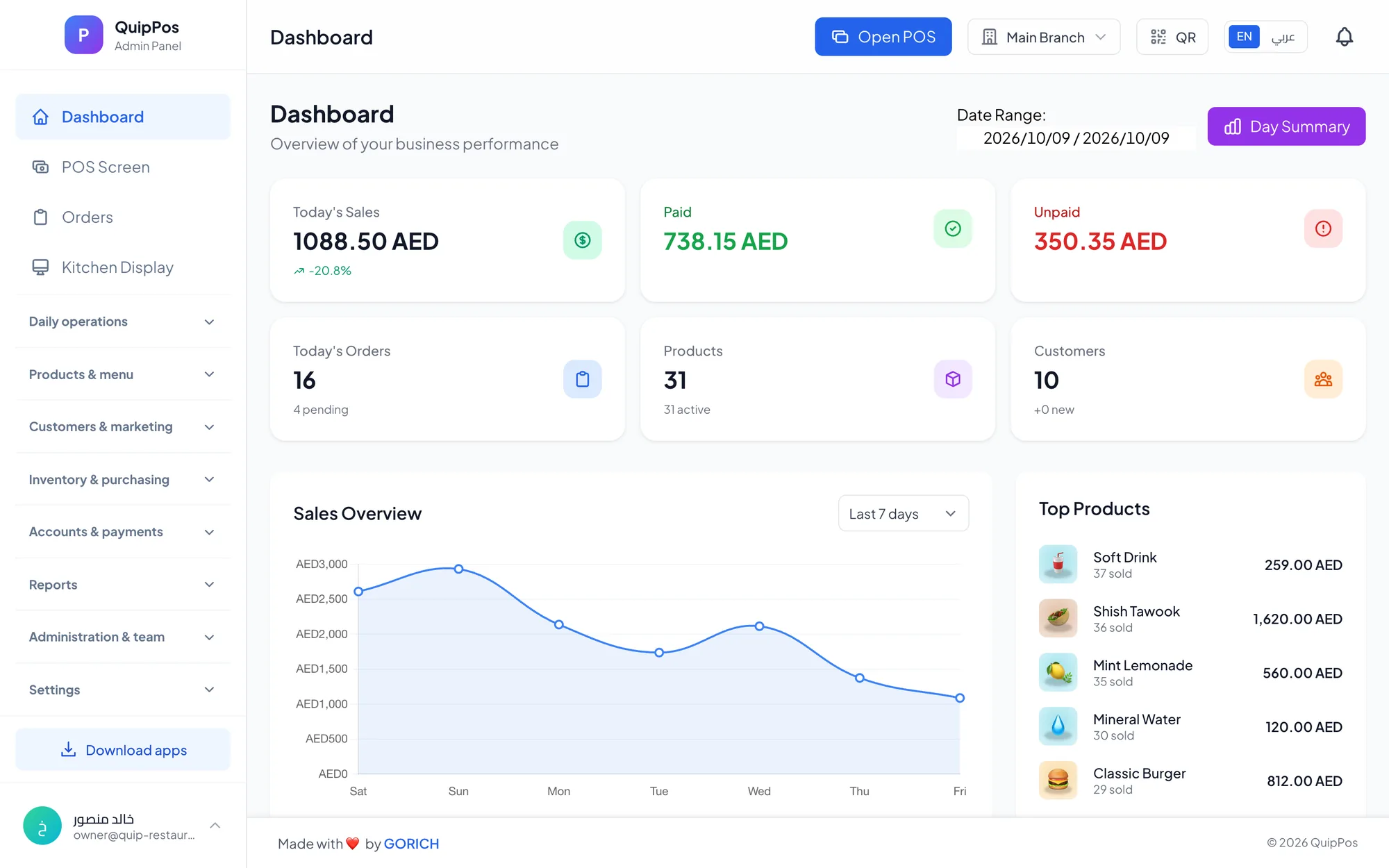 Customers & growth
WhatsApp Receipts and Customer Messages: A Guide for Businesses
How to send receipts and order updates on WhatsApp from your own number, what customers actually want to receive, and the privacy habits that keep their trust.
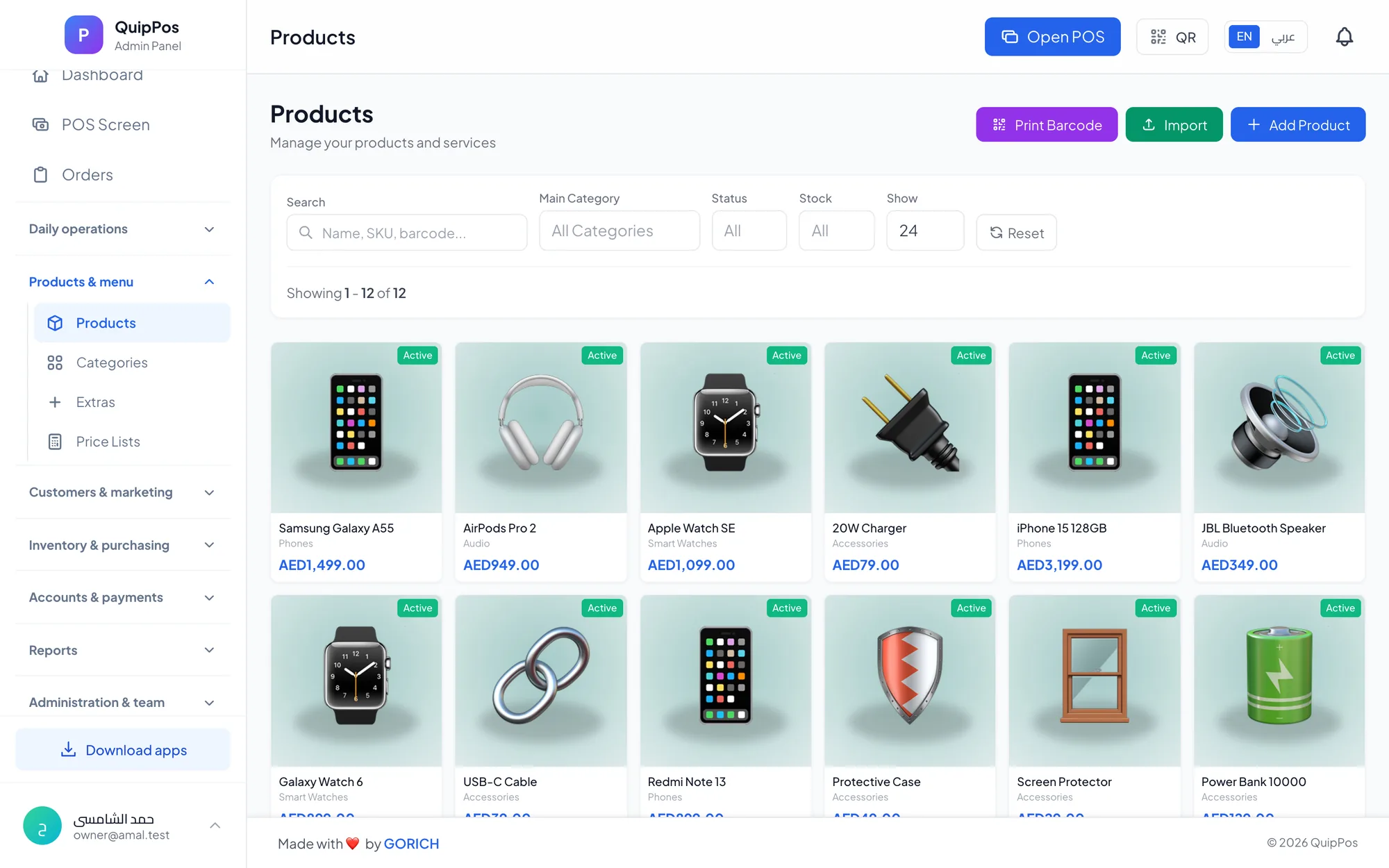 Retail stores
Flower Shop POS for Gift, Chocolate and Bouquet Orders
A flower shop POS should handle bouquets, chocolates, gift bundles, delivery, and deposits without slowing checkout. This guide shows what to set up before busy seasons.
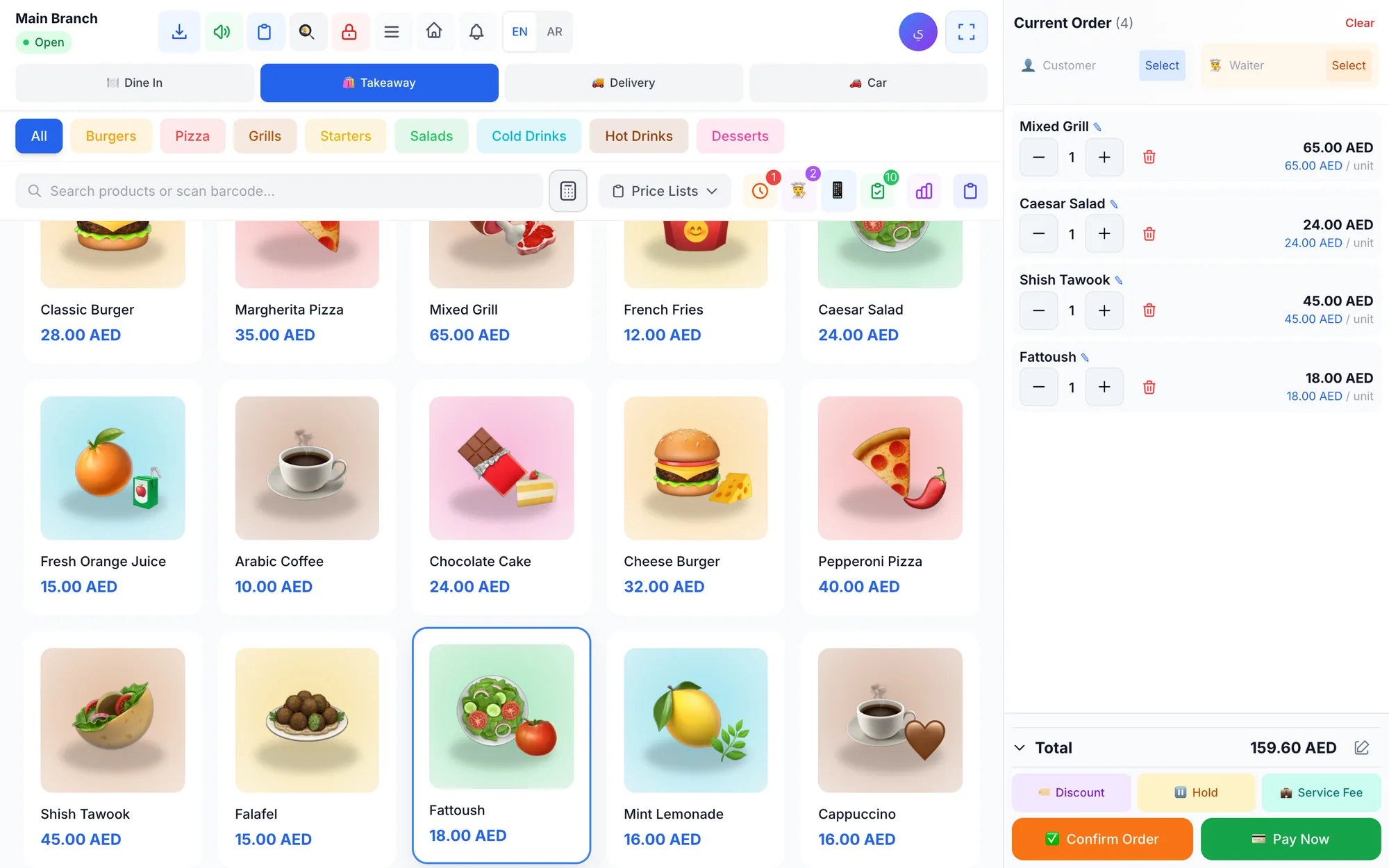 Restaurants & cafés
Opening a Restaurant: Technology and Operations Checklist
Before you open a restaurant, make sure your menu, printers, kitchen screens, staff roles and payment methods are ready. This checklist helps you test service before day one.